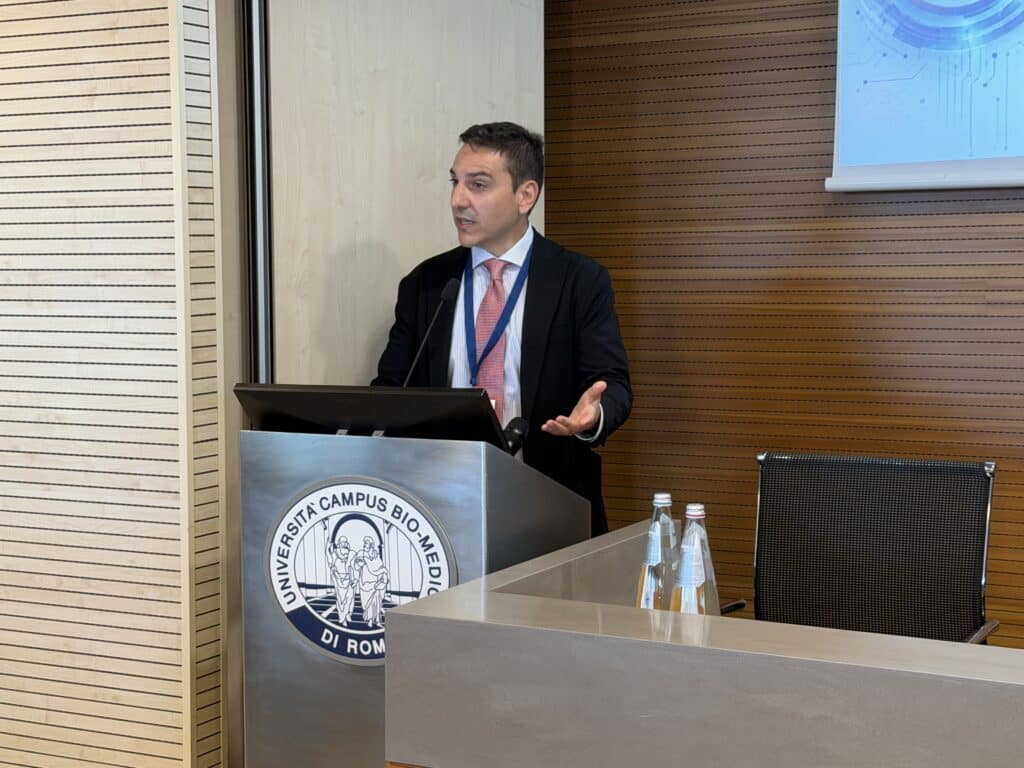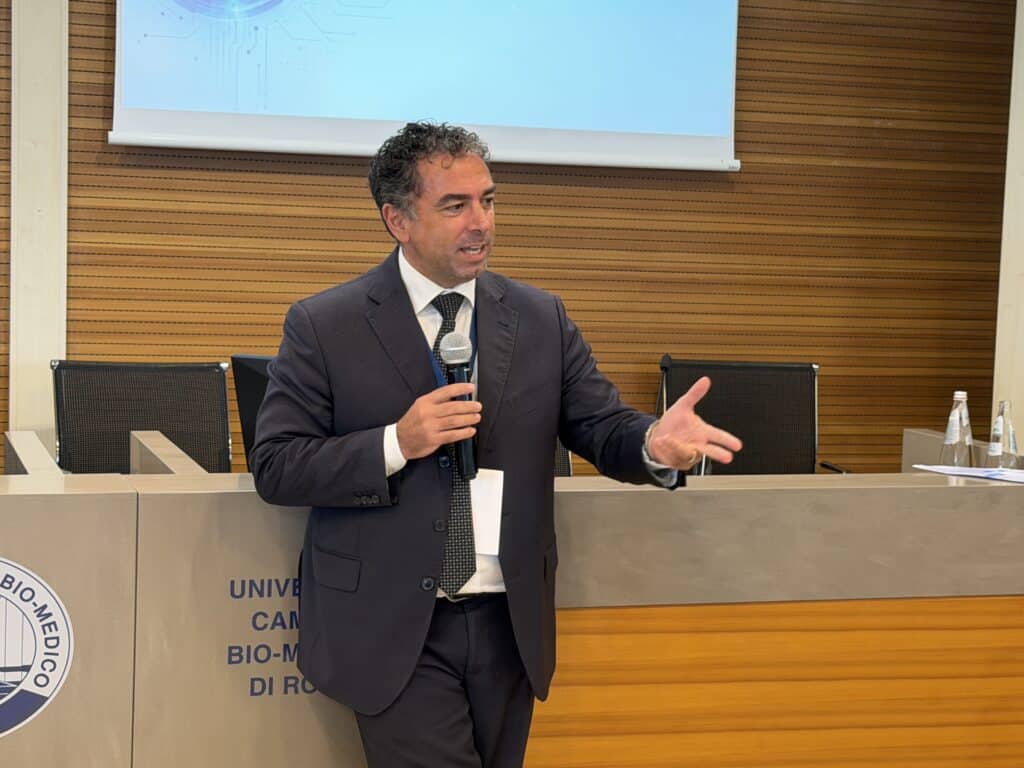
Technological sovereignty is one of the most significant strategic challenges for Italy and Europe. The ability to govern data, digital infrastructure, and artificial intelligence systems is now a crucial factor in strengthening the competitiveness of the manufacturing system, ensuring national security, and driving digital transformation through reliable and resilient technologies.
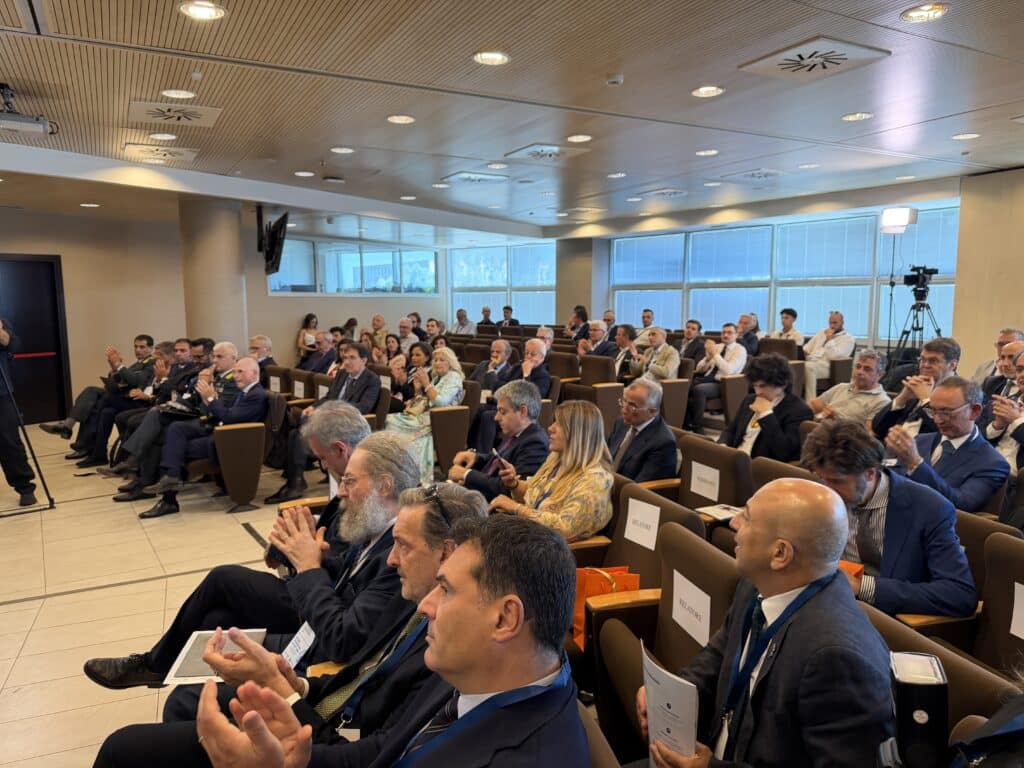
This is the theme at the centre of the second edition of the Secure Innovation Summit, the event promoted by theUniversità Campus Bio-Medico di Roma together with Teleconsys, which brings together representatives from institutions, academia, research, and industry to address the main challenges related to cybersecurity and technological innovation.
The day of discussion is divided into four round tables dedicated to some strategic sectors for the country: Public Administration, Healthcare, Defense and Security, Critical InfrastructureAreas in which data protection, digital technology control, and the ability to respond to cyber threats become fundamental elements to ensure development, technological autonomy, and resilience.
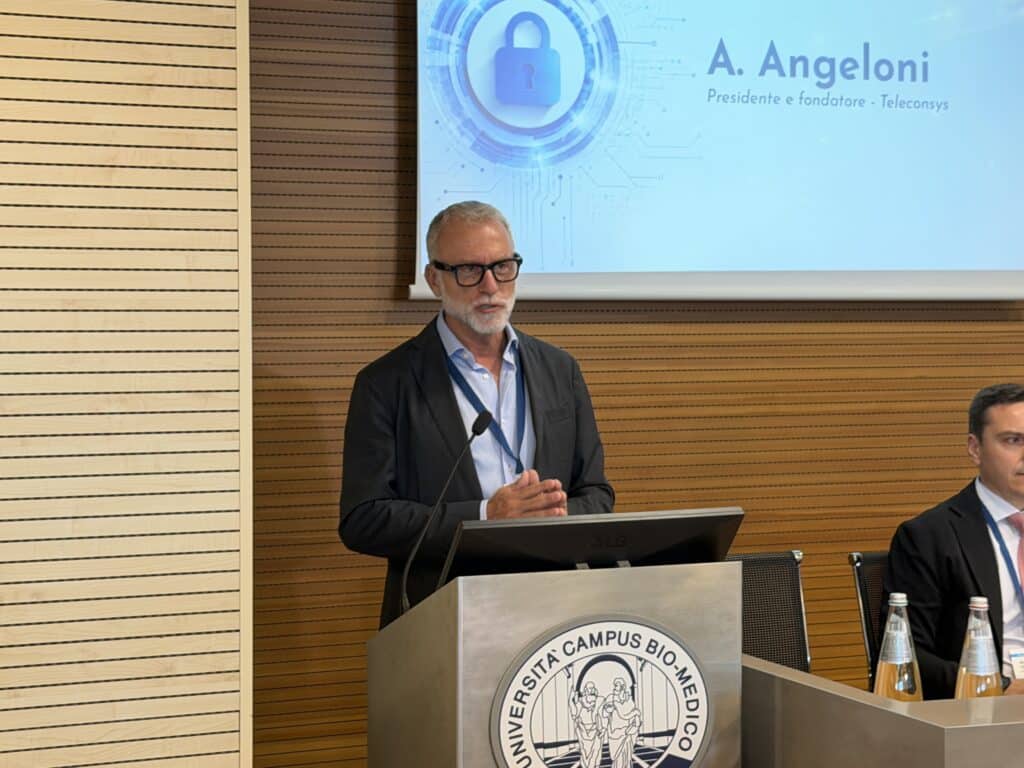
The Dean of the Departmental Faculty of Engineering will open the proceedingsUniversità Campus Bio-Medico di Roma, prof. Alessio Gizzi, and the President and Founder of Teleconsys, Augustine AngeloniThe inaugural speech is entrusted to Agostino Sperandeo, Head of the National Cybersecurity Strategy and Policy Division of the National Cybersecurity Agency (ACN), which presents the framework of strategic priorities for strengthening the digital resilience of the country's system.
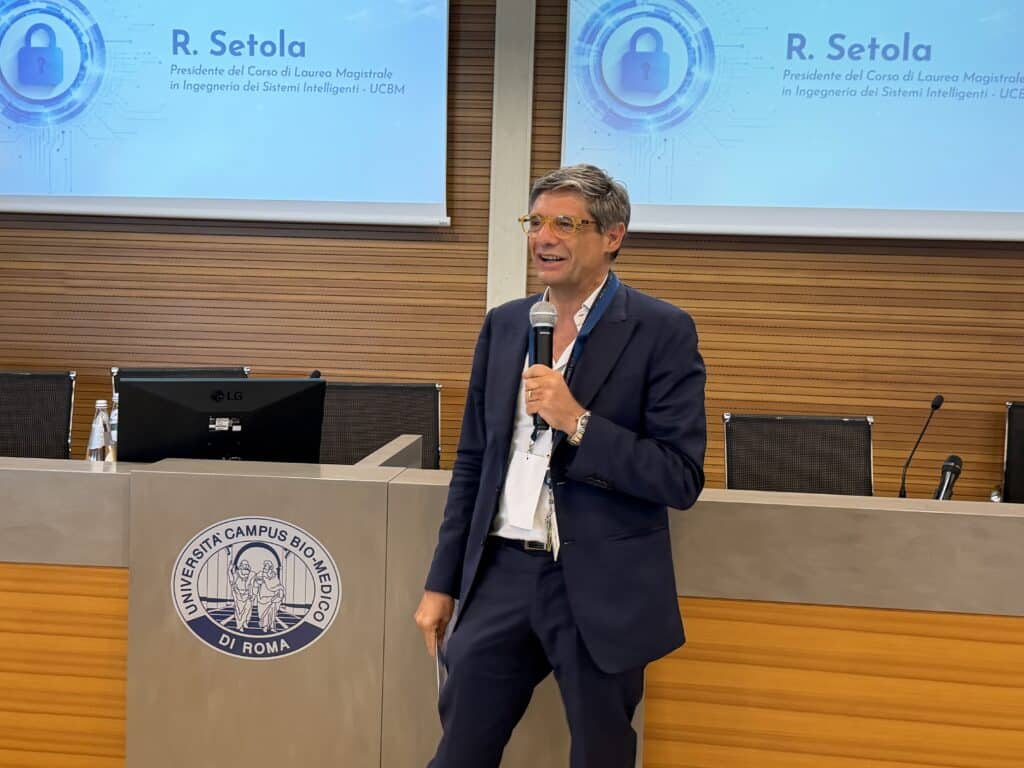
Technological sovereignty doesn't mean closing oneself off to innovation, but rather acquiring the ability to govern it. Artificial intelligence, cybersecurity, and data control today represent strategic assets for the country's competitiveness. The challenge is to build reliable and secure technologies, training professionals capable of combining innovation, responsibility, and a systemic vision., says the Prof.. Roberto Setola, Professor of Automatic Control and President of the Master's Degree Course in Intelligent Systems Engineering at theUniversità Campus Bio-Medico di Roma.
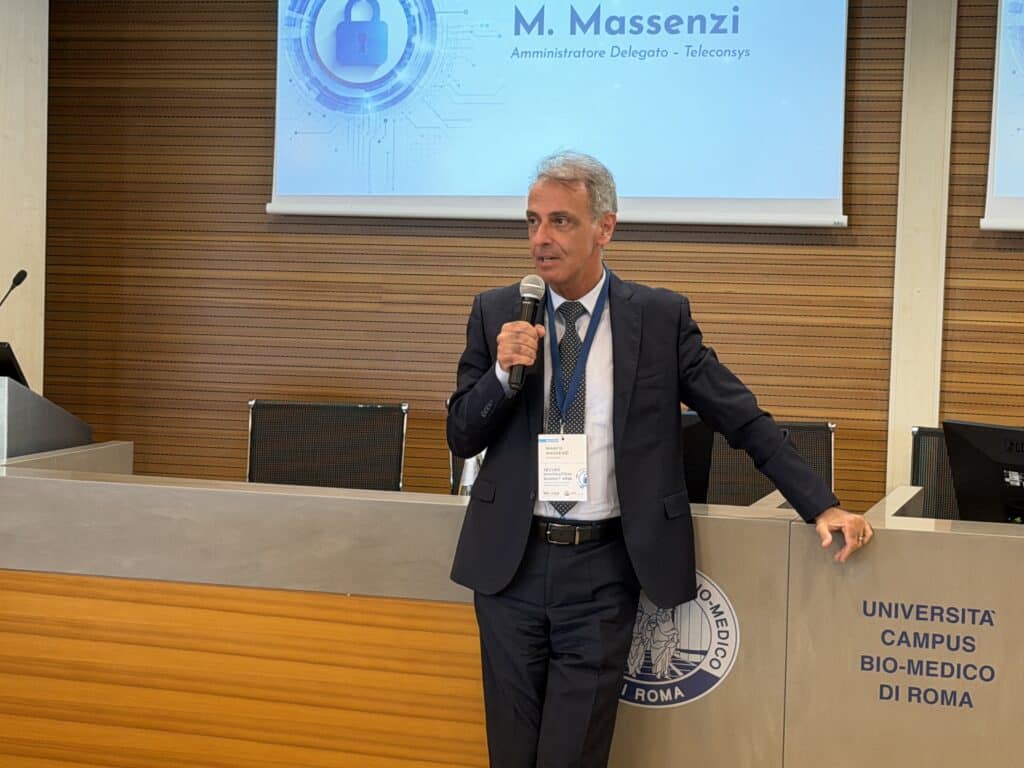
For Marco Massenzi, CEO of Teleconsys, Security can no longer be considered a cost or an ancillary element of digital transformation. It is the foundation that enables business growth, infrastructure resilience, and citizen trust. Collaboration between industry, institutions, and universities is now key to building a technological ecosystem capable of competing internationally while maintaining control of strategic technologies.
A particular focus is on healthcare, a sector in which digital transformation and artificial intelligence are opening up new perspectives, but require secure and reliable systems to protect data and patients.
The digital transformation of healthcare requires a paradigm shift: cybersecurity is no longer simply a measure to protect IT infrastructure, but an essential element of clinical and organizational governance. Protecting healthcare data means safeguarding the continuity of care, patient safety, and the relationship of trust with citizens. Artificial intelligence offers extraordinary opportunities to improve diagnoses, care pathways, and research, but it can only unleash its potential within secure, resilient digital ecosystems designed with security principles in mind from the outset. It is on this integration of technological innovation, risk management, and skills development that the healthcare of the future is being built., he claims Mario Garofano, Chief Information Security Officer of the Fondazione Policlinico Universitario Campus Bio-Medico and of theUniversità Campus Bio-Medico di Roma.
The first comparison, entitled AI, Digital Transformation, and Cybersecurity: The Three Pillars of Third-Millennium Public Administration, is moderated by Corrado Giustozzi, professor of the second level University Master's Degree in “Homeland Security” of theUniversità Campus Bio-Medico di Roma, and sees the participation of Victor Baiocco (INAIL), Lucia Fioravanti (National Strategic Hub), Alessandro Luzzi (Ministry of Education and Merit) and William Nonnis (Presidency of the Council of Ministers), with an intervention by Mirko Leanza, Chief Information Security Officer of Teleconsys.
The second panel, "Best practices for reconciling data security and patient safety in the era of AI in healthcare", is moderated by Mario Garofano, Chief Information Security Officer of the Fondazione Policlinico Universitario Campus Bio-Medico, and involves Domenico Di Giorgio (AIFA), Vittorio Gallinella (LAZIOcrea), Ilaria Bortone (Higher Institute of Health) and Beatrice Delfrate (AGENAS). The final greetings of the morning session are entrusted to the Rector of theUniversità Campus Bio-Medico di Roma, prof. Rocco Papalia.
The afternoon session opens with the speech of the Brigadier General of the Carabinieri Joseph DeMagistris, Coadjutor Director of the Institute for Advanced Defense Studies (CASD). The panel follows. "How to prevent and counter threats to the country and its production system", moderated by the Major General Sandro Sanasi, Commander of the Network Operations Command of the Defence General Staff, with the participation of the Major General Paul Aceto of the Carabinieri, of the Brigadier General Marco Tolla of the Guardia di Finanza and of Giampaolo Zambonini of the Ministry of the Interior. The interlude is entrusted to Matthew Lucchetti, General Director of the National Cyber 4.0 Competence Center.
The last round table, dedicated to Critical Infrastructures, is moderated by prof. Luca Faramondi, Tenure Track Assistant Professor UCBM, and brings together the IT security managers of some of the main Italian strategic companies: Luigi Ballarano (Triad), Joseph Ciminari (Sogei), Matthew Macina (TIM), Rocco Mammoliti (Italian Post) and Yuri Rassega (Enel).
The final greetings at the end of the working tables are entrusted to the Vice-Rector for Research of theUniversità Campus Bio-Medico di Roma, prof. Leandro Pecchia, Vice-Rector for Research and Full Professor of the Degree Course in Biomedical Engineering UCBM.
Il Secure Innovation Summit confirms the role of theUniversità Campus Bio-Medico di Roma as a meeting place for scientific research, higher education, institutions, and the production system, promoting an innovation model based on technology transfer and the development of advanced skills.
Collaboration between Università Campus Bio-Medico di Roma and Teleconsys represents a consolidated model of integration between universities, research, and business, with the aim of contributing to the construction of a more secure, competitive, and sustainable technological ecosystem.